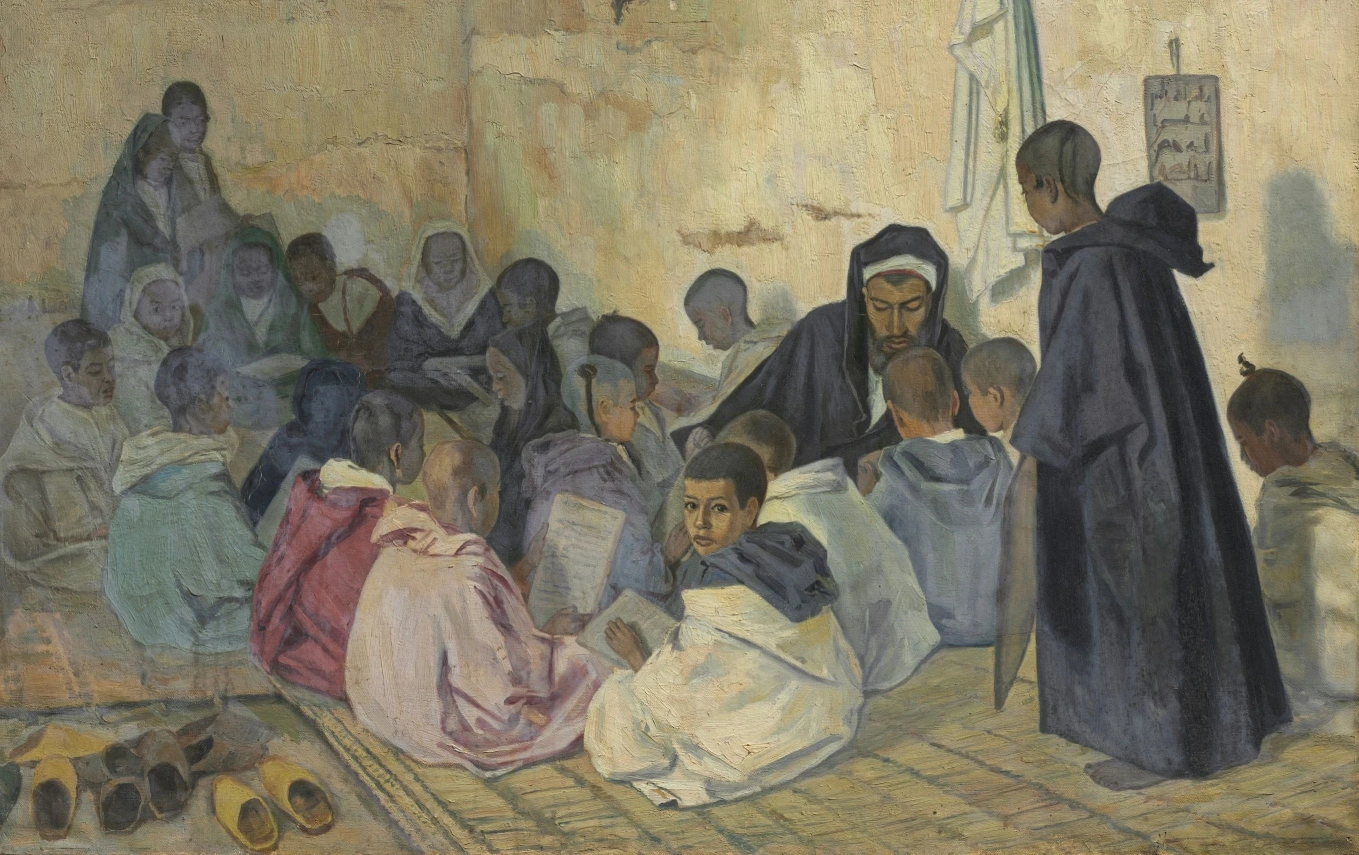
Muslim visual culture is aesthetic and beautiful. Its meaning and symbolism express identity, culture, and ways of seeing rooted in the religious life of Muslim societies. It is a living tradition. It connects belief, daily life, and artistic practice; spans time and geography; and honours both tradition and personal expression.
For Muslims, the experience and practice of art is bound to religious rituals and an expression of faith. You don’t just read the Quran — you recite it, you don’t just write its verses — you calligraph them. This reflects the principle of ihsaan, striving for excellence in all actions, making beauty an essential requirement for a life lived in devotion to God.
The purpose of this site is to capture Muslim visual culture, with a focus on calligraphy, architecture, geometry, and the interplay between them. And to be part of a much-needed conversation on Islamic art, which is still rarely discussed as art in its own right. For museums, galleries, and academic writing, Islamic art is often a cultural product of past people rather than a living tradition experienced and created today. What is missing is more analysis, appreciation, and critique by a wider audience, beyond institutions and academic journals.